
Oil & Gas Applications
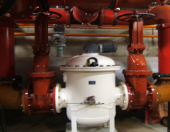
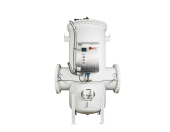
Hellan Strainers protect plant equipment (condensers, spray nozzles, heat exchangers, pumps, etc.), strain cooling tower water, remove polyethylene fines from process water, and are used in deluge fire protection systems. Put a Hellan strainer to work in your plant today and start protecting your vital equipment and process systems!
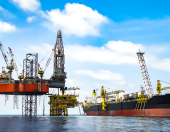
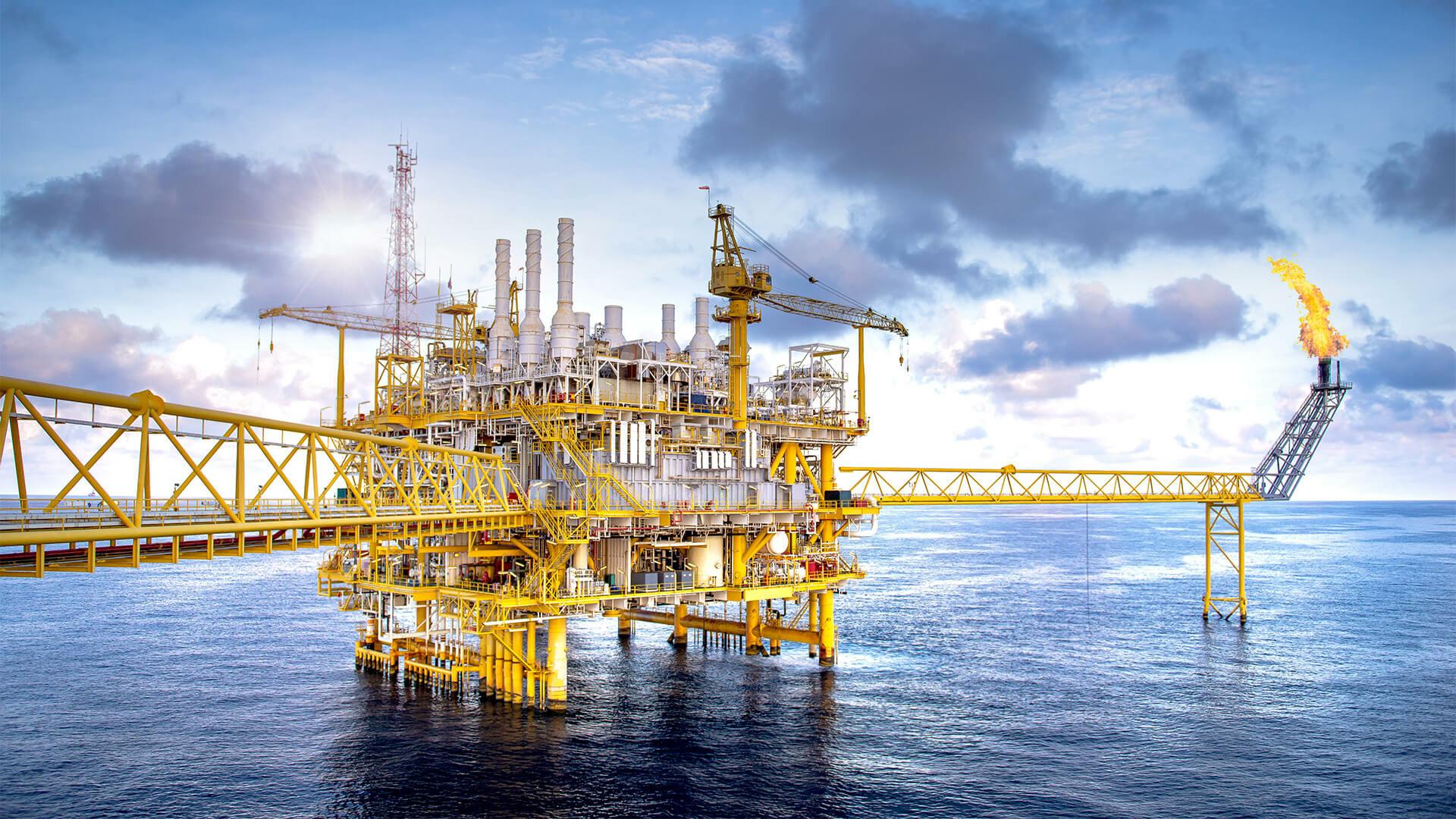
Hellan Fluid Systems provided a solution for an offshore petroleum customer who needed a compact strainer to protect plate heat exchangers on board an FPSO (Floating Production, Storage & Offload). The customer had strict maintenance requirements to allow the strainer to be cleaned quickly and frequently and HMS (Hazardous Materials Safety) required that operators should avoid contact with the process. Hellan Fluid Systems was able to meet their needs and provide a robust and reliable design for high-temperature service (+160°C).


Explore Other Industries


Industries
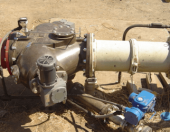
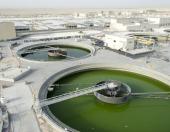
Hellan Strainers are used in all industries that require the collection and removal of particulate from fluid systems. Listed below, are just a few of the ways Hellan provides industrial solutions to the global market.
Our Quality
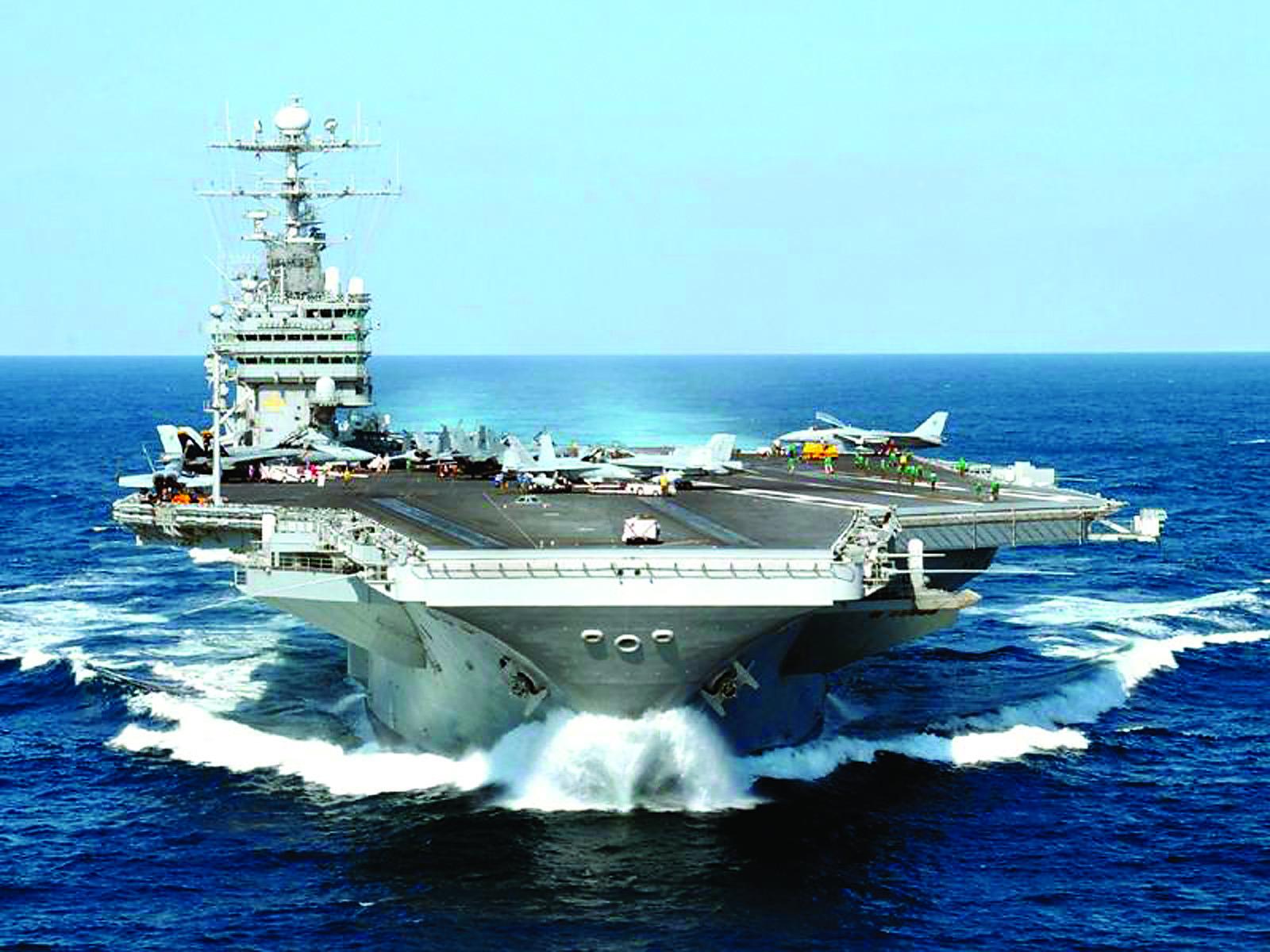
Hellan Fluid Systems' self-cleaning fluid strainers are ISO9001 certified, meet all Navy Mil-Spec requirements, are approved by the American Bureau of Shipping and Lloyd’s Register, are listed by Underwriters Laboratories and designed in accordance with API, ASME, and PED.


